







Search Results for: Sail transport
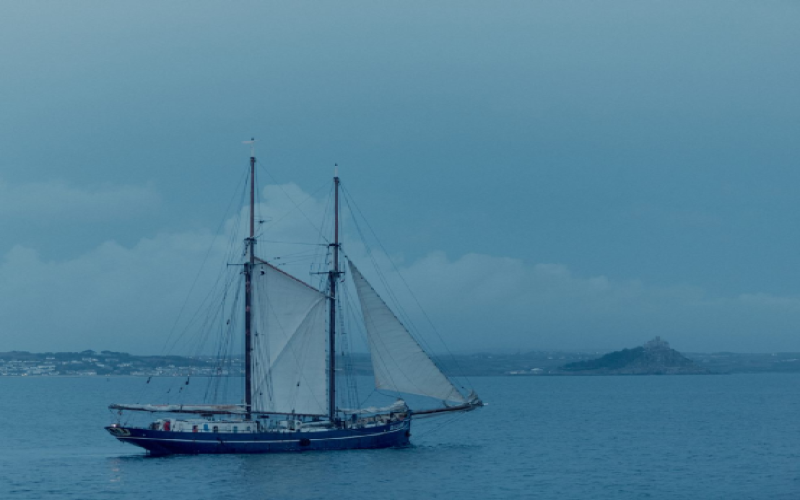
Can sailing cargo ships bring coffee bean transport back to the Age of Sail? A UK company's zero-carbon experiment
After the COVID-19 pandemic, consumers are paying increasing attention to the environmental friendliness of coffee—from green bean cultivation to the coffee in the cup, carbon emissions are being taken into account. Coffee-producing countries and consuming countries are mostly separated by oceans, and tens of thousands of tons of coffee beans rely on air or sea freight, making fossil fuels an unavoidable source of power. The British experimental company NEW DAWN TRADERS is trying to change this situation. They charter sailing ships, abandon fuel engines, and transport green coffee beans back to the UK from places like Colombia. The voyage lasts more than five months and covers about 7,000 nautical miles. Although it takes much longer, it significantly reduces carbon emissions. At the same time, Canada's Café William and Sailcargo are also building zero-emission sailing cargo ships, with plans to put them into operation in 2023. This article will review the glorious history of sailing cargo ships and explore the possibilities of this ancient mode of transportation in the modern coffee industry. [more…]
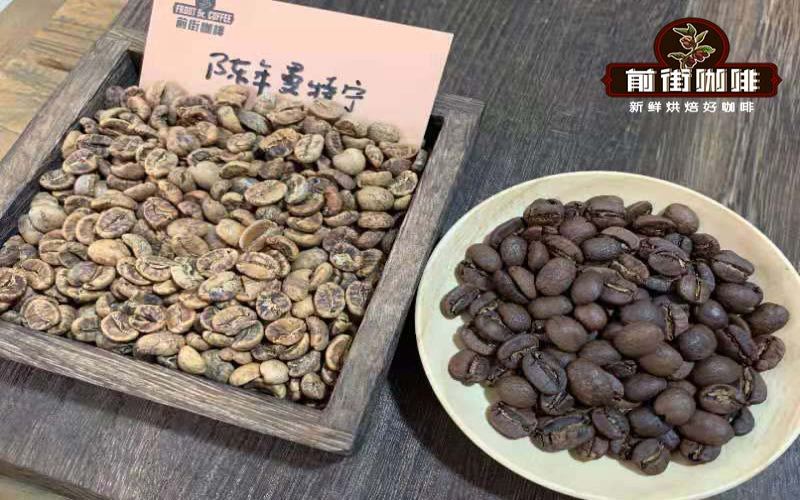
Indonesian Aged Mandheling: The Unique Processing Coffee Beans Sculpted by Time and the Origins of Their Flavor
In Indonesia, there is a type of coffee bean that is not pursued for freshness, but rather through storage lasting several years, allowing the green beans to naturally age in a cool, ventilated environment, thereby acquiring a completely different flavor—this is Aged Mandheling. Its emergence is linked to the history of early long shipping voyages, when coffee drifted at sea for months, and today it has evolved into a specialized processing method. Aged beans undergo changes in acidity, color, and texture, and warehouse management requires strict control of temperature and humidity along with regular turning to avoid mold and spoilage. Aging is not a way to deal with unsellable inventory, but a unique product created by producing regions according to specific procedures. At the same time, if you prefer fresh, high-quality Indonesian coffee, Front Street Coffee PWN Golden Mandheling has undergone four rounds of manual sorting, reaching G1 grade, with a clean and bright flavor, and is worth trying. [more…]
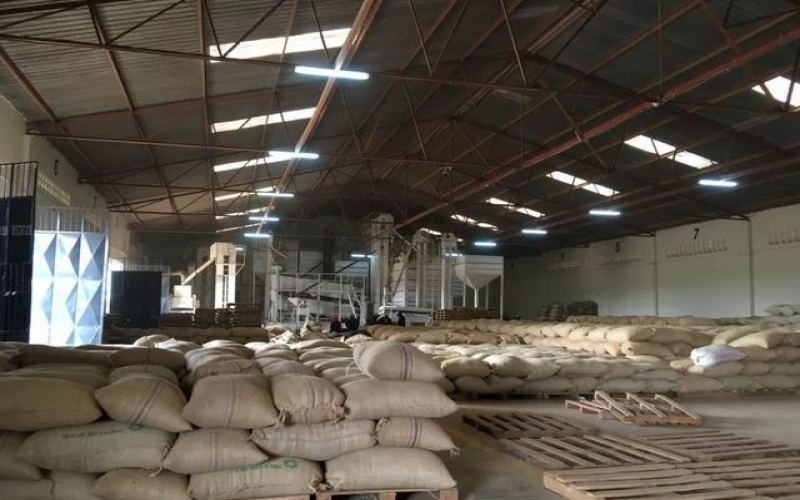
Aged Mandheling Flavor Analysis: A Complete Guide to Proper Brewing, Market Prices, and Differences from Golden Mandheling
Aged Mandheling, through its unique aging process, presents a rich, mellow flavor completely different from fresh coffee—with soft fruit acidity, prominent sweetness, and a thick mouthfeel—making it one of the most recognizable categories in Indonesian coffee. This article begins with the origins of the aging method, sorts out its essential differences from regular fresh beans, analyzes the flavor and appearance changes of green beans during long-term storage, and focuses on comparing the differences between Aged Mandheling and Golden Mandheling. It also introduces Front Street Coffee PWN Golden Mandheling's producing region, grade, and screening standards, helping coffee lovers clarify key points for purchasing, recognize the PWN trademark, and drink truly high-quality specialty coffee from Sumatra. [more…]

Exploring Aged Mandheling: The Flavor Development Journey from Green Bean Storage to Roasting and Brewing
Mandheling is a classic regional flavor that coffee lovers can't avoid, and aged Mandheling is an extremely unique presence among them. It is not simply left to become stale; rather, it undergoes a 24-month resting and aging process under strictly controlled storage conditions, allowing its originally sharp acidity to gradually soften, while its body and sweetness are significantly enhanced. This article will guide you through the ins and outs of the aging process, its essential differences from fresh beans, and the changes in the appearance and flavor of green beans, while also sharing Front Street Coffee's roasting curve and pour-over brewing method, helping you brew a cup of aged Mandheling interwoven with herbal and caramel notes at home. [more…]
Analysis of Flavor Differences Between Aged and Fresh Mandheling and Front Street Brewing Parameter Recommendations
Mandheling coffee has always been known for its rich, full-bodied intensity, and Aged Mandheling is a special category that, on this basis, takes on a completely different flavor after being tempered by time. It shares similarities with Indian Monsoon Malabar coffee, as both require long-term storage to develop their pleasant, distinctive taste. This article will comprehensively examine the complete picture of Aged Mandheling from multiple angles, including the principles of the aging process, a comparison between aged beans and fresh beans, changes in the appearance and flavor of green beans, and Front Street Coffee's roasting and brewing practices. Whether you are full of curiosity about aged flavors or want to understand how it differs from fresh Mandheling, you will find useful reference in this article. [more…]
An Analysis of the Unique Processing Method, Flavor Evolution, and Front Street Brewing Parameters of Aged Mandheling
Aged Mandheling is a special type of coffee that has undergone prolonged resting and maturation, giving it a flavor distinct from regular Mandheling. It originated in the era of long maritime shipping, and today it relies on strict warehousing management at the origin to "create" beans with soft acidity, full body, honey-like sweetness, and complex aged notes. In this article, Front Street Coffee will start with the origins and key operational points of the aging process, compare the differences between aged beans and fresh beans, analyze changes in green bean appearance and flavor, and include Front Street Coffee's roasting curve, cupping information, and KONO dripper brewing parameters to help coffee enthusiasts understand this "time-brewed" Mandheling. [more…]
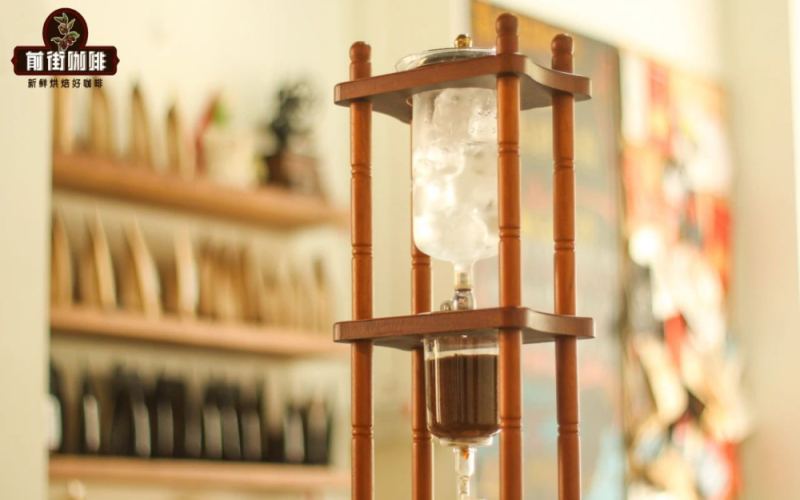
What is the difference between ice drip coffee and cold brew coffee? From brewing principles to flavor and mouthfeel, explained clearly in one go.
Both ice drip coffee and cold brew use low-temperature extraction, but one is drip-style while the other is immersion-style, and this subtle difference in technique can make the same beans present completely different flavor profiles. From the perspective of Front Street, this article sorts out the historical origins, brewing principles, and tasting differences of the two, and uses lightly roasted Ethiopian Santavini beans to make cold brew and ice drip separately for comparison, helping you understand their respective characteristics and find the cup that better suits your taste. [more…]
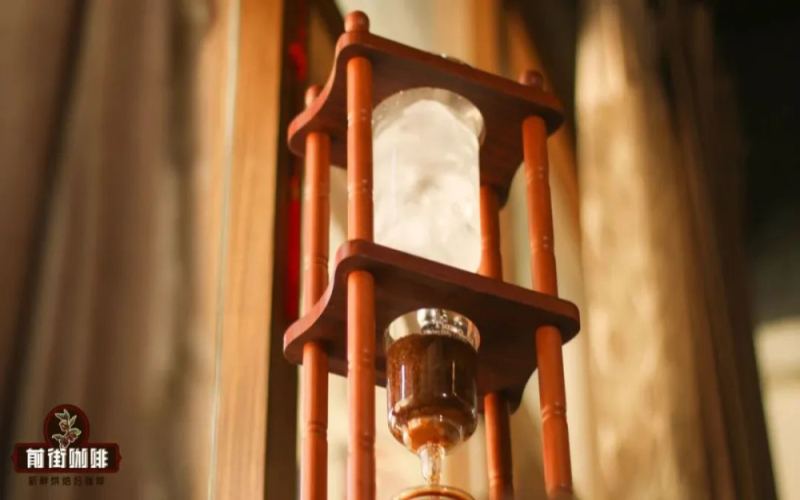
Cold Drip vs. Cold Brew: Which Is More Worth Trying? Flavor Differences in Low-Temperature Extracted Black Coffee and Bean Selection Tips
Cold brew coffee is not exclusive to summer; even in the cold season, Front Street's cold brew is still in short supply. When the cold brew sells out, many customers will instead ask if there is cold brew coffee. Cold brew and ice drip both belong to low-temperature extracted black coffee, yet they each have their own characteristics due to the differences between drip filtration and immersion. This article will sort out the differences between the two from aspects such as origin, brewing principles, and flavor performance, and combine the actual extraction experience of Front Street's medium-light roasted beans such as Huakui, Blackberry, Strawberry Candy, and Butterfly to help coffee lovers find the cup that better suits their own taste. [more…]
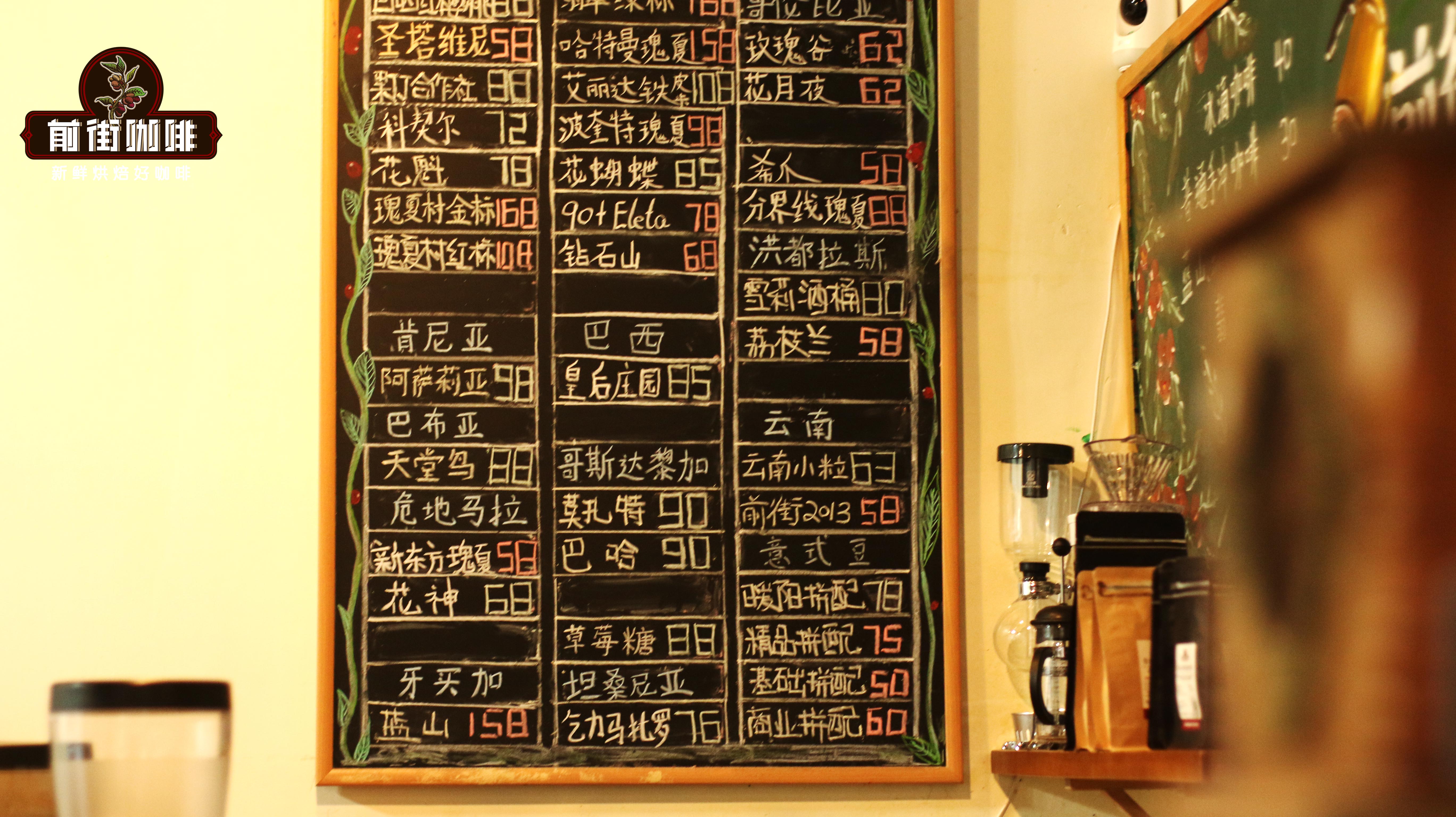
The Origin of Indonesian Aged Mandheling and an Analysis of Its Differences from Indian Monsooned Beans
Indonesian aged Mandheling and Indian monsoon Malabar both belong to the category of coffees that acquire a unique flavor unexpectedly due to changes in time and transportation conditions, but their processing logic and final presentation are entirely different. Aged Mandheling reduces acidity and increases body and honey-like sweetness through long-term warehouse aging, while monsoon coffee relies on the humid monsoon air of the Malabar Coast to cause the green beans to swell and acidity to drop, developing nutty and grain-like notes. Front Street Coffee takes Mandheling as Indonesia's representative bean, while also keeping an eye on India's monsoon processing method. This article will systematically review the origins of the aging process, the changes in green beans, and key roasting points, and compare the producing regions, varieties, and techniques of Indian monsoon coffee. [more…]
Indonesian LazuNa Coffee: From a Favorite of European Royal Courts to a Rare Arabica on the Brink of Extinction
On the highlands of Sumatra, Indonesia, grows a coffee that once captivated the European royal courts—Lasuna. Over four hundred years ago, the Dutch introduced this Arabica variety to Indonesia, and from then on, under the name "Traveler's Coffee," it journeyed across the oceans to become an expensive beverage that swept Europe for two centuries. Yet times have changed, and today pure-blooded Lasuna survives only on about 500 hectares of farmland in the Takengon region, where the trees are all over half a century old, sustained by manual harvesting and traditional Dutch processing methods—the last vestige of its lineage. According to the Indonesian Coffee Association, this variety may vanish entirely within twenty years. Front Street Coffee takes you deep into this rare bean, which combines caramel sweetness, chocolate aroma, and a delicate oily mouthfeel, so you can experience its unique charm—rich, mellow, and with a long, lingering finish. [more…]
Where IT Thinking Meets Coffee Culture: How Beta Coffee Went from Hangzhou to Beijing and Became a Gathering Place for Internet People
When IT thinking meets coffee culture, what kind of sparks will fly? In 2009, Bai Ya and a group of internet professionals founded Beta Coffee in Hangzhou, positioning it as a public living room for IT people. In just over two months, it was named the "Best Gathering Place for E-commerce Professionals." In 2011, this trend swept through Beijing's Zhongguancun, and Beta Coffee's Beijing branch officially opened. Soon after, Garage Coffee, 3W Coffee, and others emerged one after another, thus beginning the "Internet Coffee Era." This is not just a place to drink coffee, but also a physical platform for IT people to communicate, share, and seek opportunities. This article takes you into the jianghu stories of Beta Coffee, to experience the unique atmosphere created by the collision of the internet and coffee. [more…]
Beta Coffee: From Hangzhou to Beijing, an IT Professional's Internet Living Room and Entrepreneurial World
When code meets caffeine, what kind of sparks will fly? Beta Coffee started in Hangzhou, founded by IT entrepreneur Bai Ya and his partners, and quickly became a public living room for the internet circle. This trend then swept through Beijing's Zhongguancun, with Garage Coffee, 3W Coffee, and others springing up, ushering in the "internet coffee era." These places are not just for drinking coffee, but also a arena for IT people to network, recruit, and seek investment. This article will take you through the founding journey of Beta Coffee, its unique rules, and those warm yet persistent entrepreneurial stories, to feel the internet spirit that connects infinite possibilities behind a cup of coffee. If you also enjoy exploring coffee culture, please follow Front Street Coffee, where we continue to bring you heartwarming coffee stories. [more…]
From Ethiopian Shepherds to Arab Monks: The Legend of Coffee Bean Origins and the Evolution of the Coffee Name
Behind a single cup of coffee lies a legend spanning thousands of years. From the Ethiopian goatherd Kaldi discovering the red berries in the 5th century AD, to coffee first entering the Arab world through Yemen, and then qahwa evolving into today's coffee, what kind of journey has the name of coffee undergone? This article sorts through the three great legends of coffee's origin—the goatherd story, the legend of the Arab monk Omar, and the romantic adventure of the French officer Gabriel de Clieu risking his life to bring coffee saplings to Martinique—to take you through the romance of coffee as it moved from the silent forest to the world. At the end is a selected recommendation from Front Street Coffee, adding a professional guide to your coffee journey. [more…]
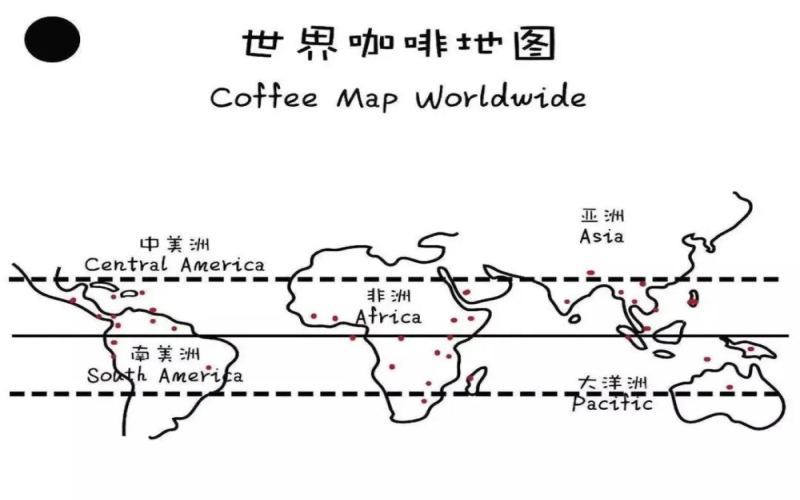
A Panoramic Overview of Latin American Coffee Origins: From Brazil and Colombia to Niche Producers Like Cuba and the Dominican Republic
Coffee trees cannot be grown just anywhere in the world. They only grow in a narrow belt between the Tropic of Cancer and the Tropic of Capricorn, commonly known as the "Coffee Belt." This golden growing belt nurtures three major coffee-producing regions—Latin America, Asia-Pacific, and Africa. Among them, Latin America covers Mexico, Central America, the West Indies, and South America, and is known for its balanced, rich, and full-bodied flavors. The region includes thirty-three countries and several non-independent territories. It is home to major producers such as Brazil, Colombia, Costa Rica, Guatemala, and Panama, as well as relatively niche origins such as Cuba, the Dominican Republic, Venezuela, and Hawaii in the United States. Front Street Coffee will guide you through the coffee history and current situation of these countries one by one. [more…]
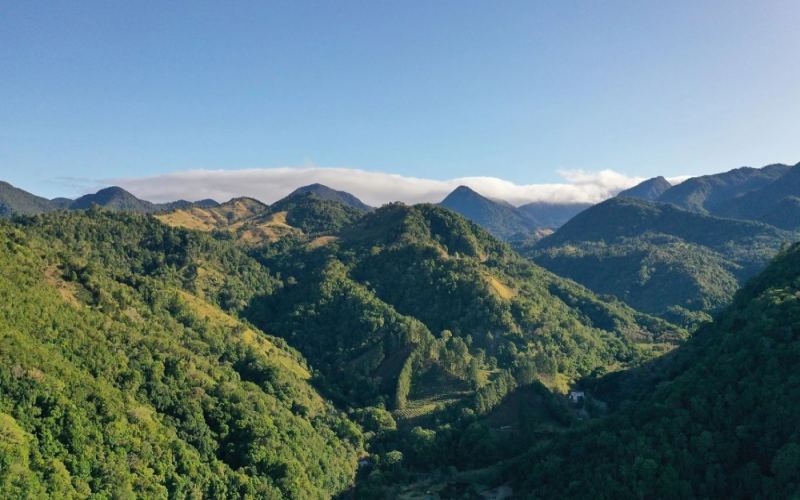
An Analysis of Panama's Coffee Development History and Geisha Variety Characteristics, Plus Front Street's Guide to Making an Aussie White
Although Panama is not the earliest country in Central America to grow coffee, it has reached the pinnacle of the world's specialty coffee thanks to the Geisha variety. This article will trace the historical thread of Panamanian coffee from its introduction in the 18th century to large-scale cultivation in the 19th century, introduce the main producing regions such as Boquete and Volcan centered on Chiriqui Province, analyze Geisha's legendary journey from being ignored to making its name at BOP in one battle, and share the flavor performance of Front Street Boquete Geisha. Finally, we will also use this Geisha to make a cup of flat white coffee, providing complete extraction parameters and operating steps to help you recreate a milk coffee with both floral aromas and citrus notes at home or in a shop. [more…]
A Complete Guide to Indonesian Civet Coffee: History, Bean Origins, Flavor Characteristics, and Pour-Over Steps Explained
Kopi Luwak is known as the "world's most expensive coffee," with Indonesia as its core producing region. This article will systematically explore the full picture of this special coffee from aspects including its historical origins, the differences between wild and farmed beans, Indonesia's coffee grading standards, the varieties and processing methods of Sumatran cat poop coffee, and Front Street Coffee's brewing parameters and flavor descriptions. At the same time, it will also introduce another Indonesian specialty representative—Golden Mandheling—and share Front Street Coffee's stance on cat poop coffee and brewing recommendations, helping readers rationally understand this highly controversial coffee category. [more…]

An In-Depth Analysis of Indonesian Civet Coffee: Flavor Characteristics, Bean Varieties and Origins, Regional Ecology, and Specialty Coffee Recommendations
Kopi Luwak is often called one of the most expensive coffees in the world, with retail prices starting at at least six hundred US dollars per pound, making it the Rolls-Royce of the coffee world. It originates from Indonesia and, due to limited production, has become a favorite among the wealthy, featuring a unique herbal aroma and excellent body. However, behind this coffee lies a tangle of colonial history, animal ethics controversies, and a market rife with authenticity issues. This article will comprehensively analyze the true face of cat poop coffee from the perspectives of its historical origins, bean sources, the ecological habits of the civet, processing principles, and variety and regional characteristics, and introduce a specialty coffee worth tasting in Indonesia—Golden Mandheling, while also attaching Front Street Coffee's brewing parameters and flavor description. [more…]
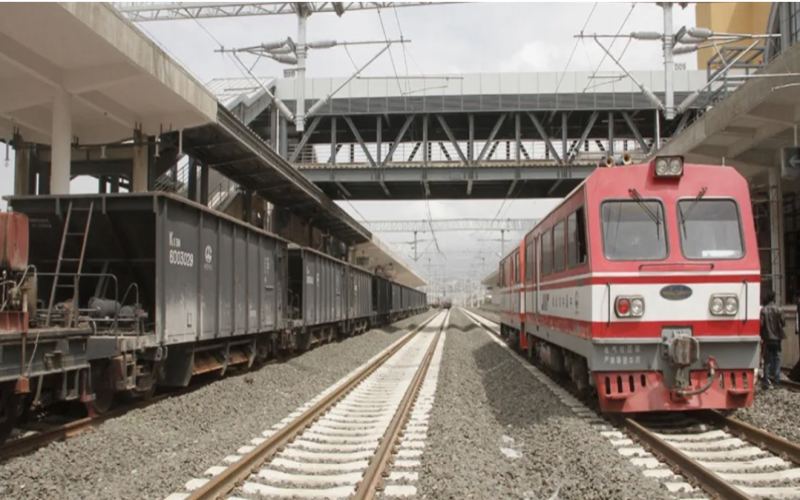
The internal war in Ethiopia has led to problems with coffee transportation, and it is considering using railways for diversion.
Due to the conflict in Ethiopia, there are problems with coffee transportation, and the government considers using railway transportation for diversion. Recently, according to the report of the Ethiopian Reporter Network, the current Ethiopian govern [more…]
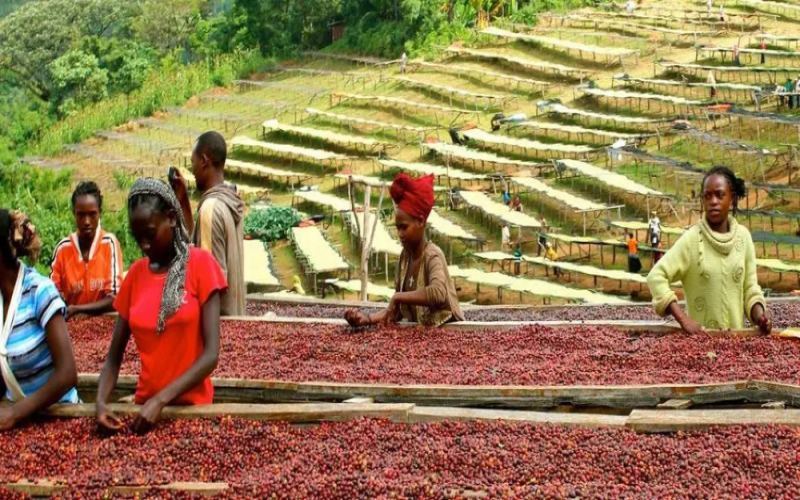
Ethiopian Coffee Exports Face Shipping Delays, Government Plans to Open Rail Freight to Private Capital
Ethiopia's domestic security situation remains tense, with truck drivers frequently attacked, severely disrupting overland transport of major exports such as coffee. As coffee exports account for 30% to 35% of the country's export earnings, transport problems could exacerbate inflation and economic recession. The government is considering shifting to rail transport and plans to allow the private sector to participate in rail freight to reduce logistics costs. However, the existing railway faces challenges including speeds of only 30 kilometers per hour and capacity that is far from fully utilized. This article will outline the background of the situation, its impact, and possible future solutions, along with related product recommendations from Front Street Coffee. [more…]

Ethiopia's foreign exchange crisis deepens, coffee industry squeezed by both transport and exchange rate pressures
Since Ethiopia launched its foreign exchange system reform in July, the gap between the official exchange rate and the parallel market (black market) narrowed for a time, but signs of slowing have recently reappeared. As of mid-October 2024, the official exchange rate was 116.97 birr per US dollar, while the black market rate was as high as 140 birr, forcing businesses to take desperate risks amid the foreign exchange shortage. Costs are climbing for import-dependent enterprises, and inflationary pressure is transmitting to the coffee industry, driving up cultivation costs and pushing the minimum selling price across the board up by 2%. At the same time, the government is accelerating the opening of the logistics industry, attempting to ease transport bottlenecks by bringing in foreign investment, but port access and regional security remain uncertain factors. This article will sort out the chain reaction among exchange rates, logistics, and coffee exports. [more…]